Low, medium or bright light? A practical guide for houseplants
What plant labels really mean by “bright, indirect light,” and how to measure the light in your home.
Light is a plant's food. Too little and growth becomes slow, pale and stretched; too much and leaves scorch. The trouble is that our eyes adapt so well that a spot which looks bright to us may be very dim for a plant.
What the labels mean
| Label | Approximate light | Typical spot |
|---|---|---|
| Low light | about 500–2,500 lux | Several meters from a window, or near a north-facing window |
| Medium light | about 2,500–10,000 lux | Near an east-facing window, or a little back from a sunny one |
| Bright, indirect | about 10,000–20,000 lux | Close to a sunny window, with a sheer curtain or out of the direct beam |
| Direct sun | 20,000+ lux | On a south- or west-facing windowsill in the sun's path |
These ranges are rough guides; light changes through the day and with the seasons.
Measure instead of guessing
The Light meter in Plant Identifier uses your phone's sensor to measure light intensity in lux. Measure a spot around midday, then match the reading to plants that thrive there.
Good matches by light level
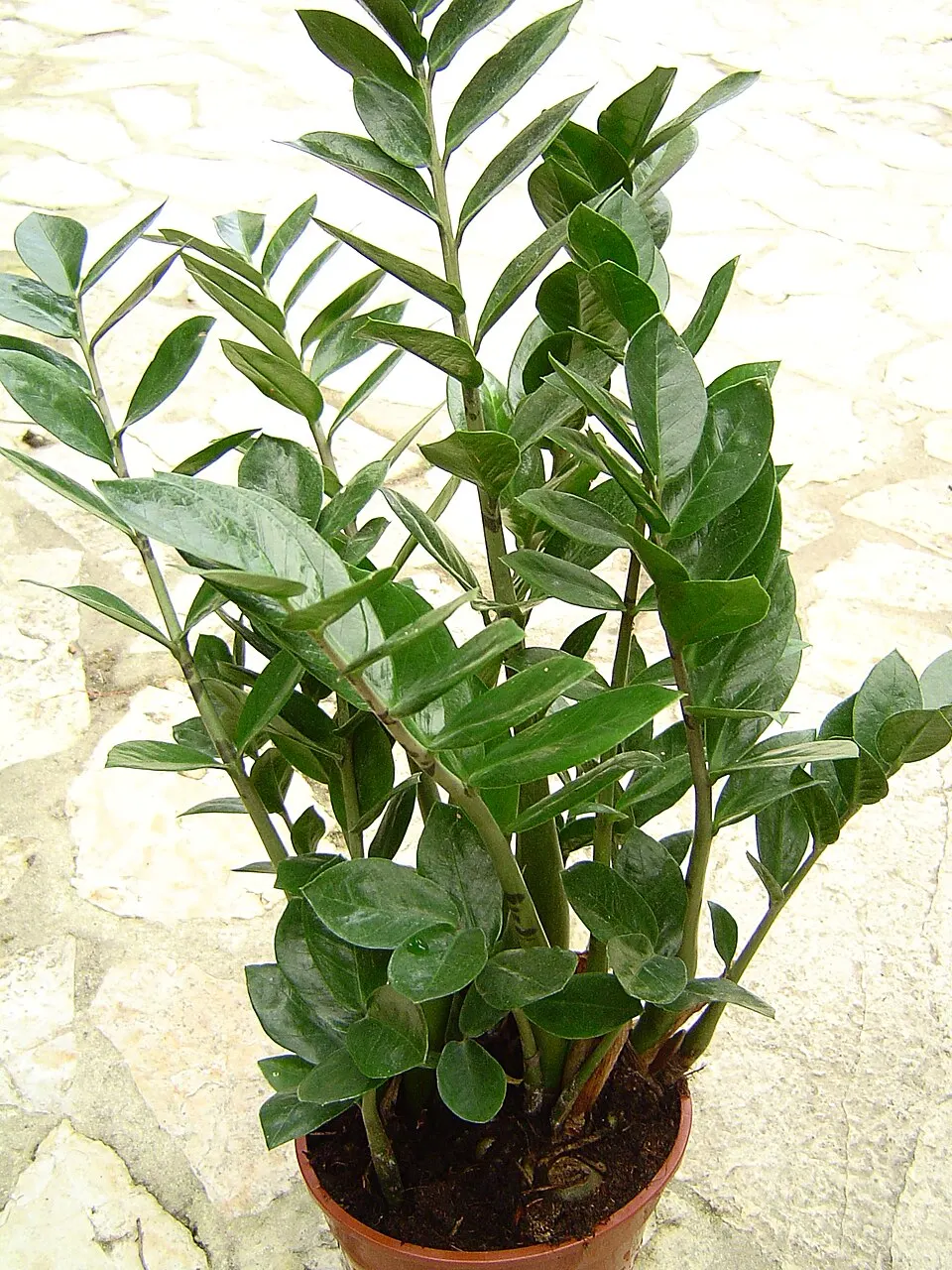
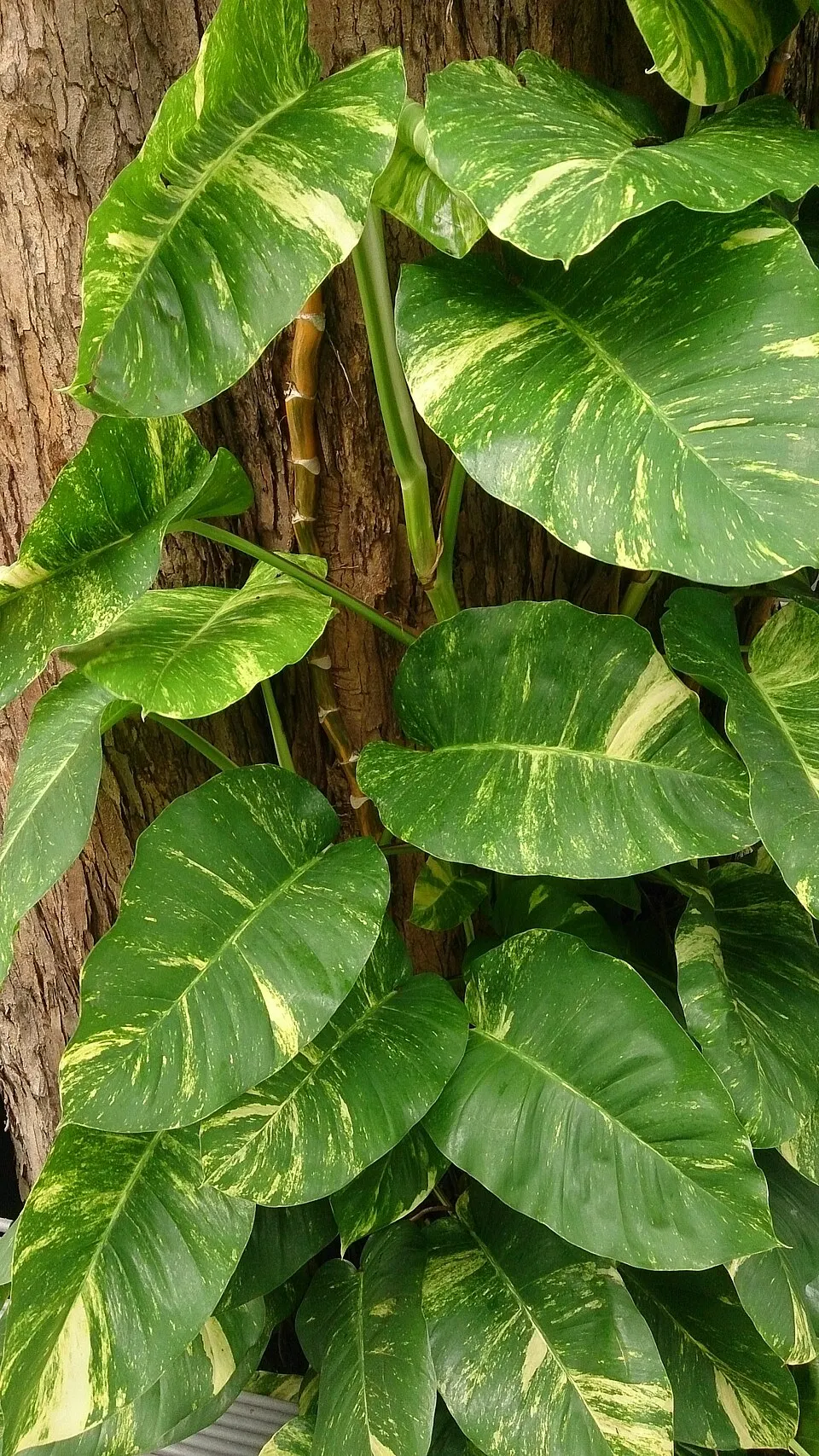
- Low light: ZZ plant, snake plant, pothos.
- Medium light: calathea, peace lily, spider plant.
- Bright, indirect: monstera, fiddle-leaf fig, rubber plant, moth orchid.
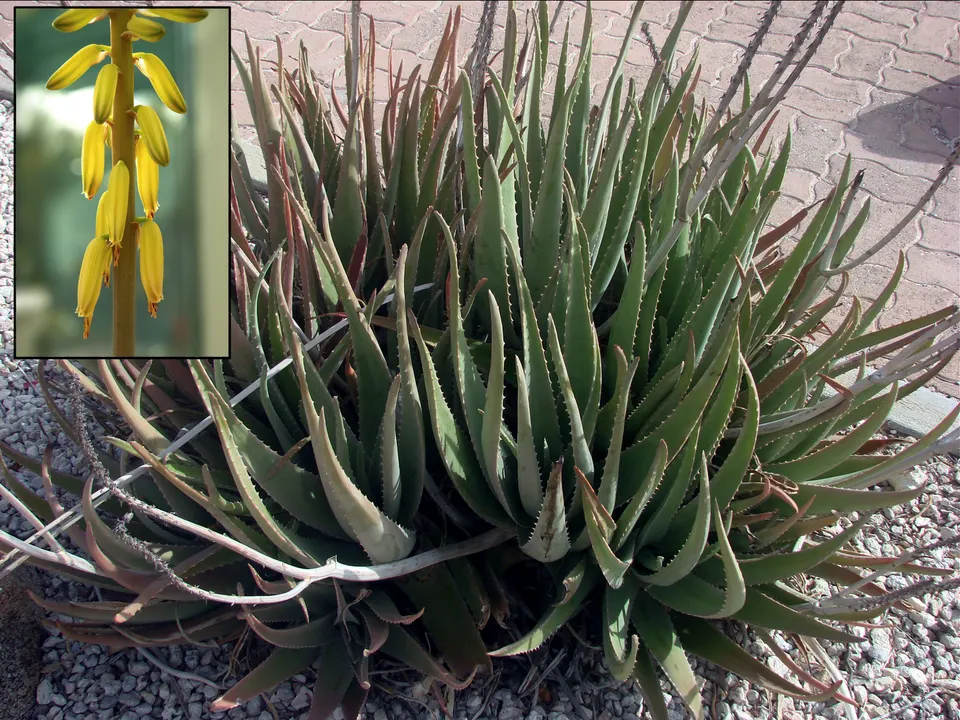
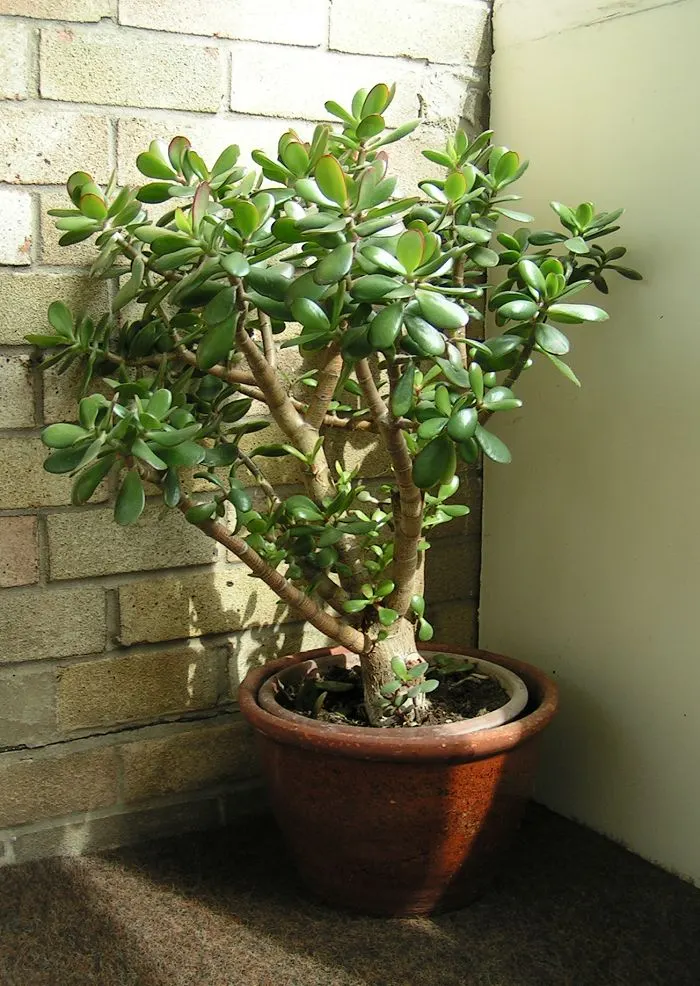
- Direct sun: aloe vera, jade plant and most cacti.
Tip: Moving a plant from dim to very bright light all at once can scorch it. Shift it gradually over a week or two.