How to take a photo that gets an accurate plant ID
Five simple habits that help any plant identification app — including ours — recognize a plant on the first try.
Plant identification works by comparing what the camera sees with millions of reference images. The clearer the distinguishing features, the more confident the match. These habits make the biggest difference.
1. Fill the frame with one plant
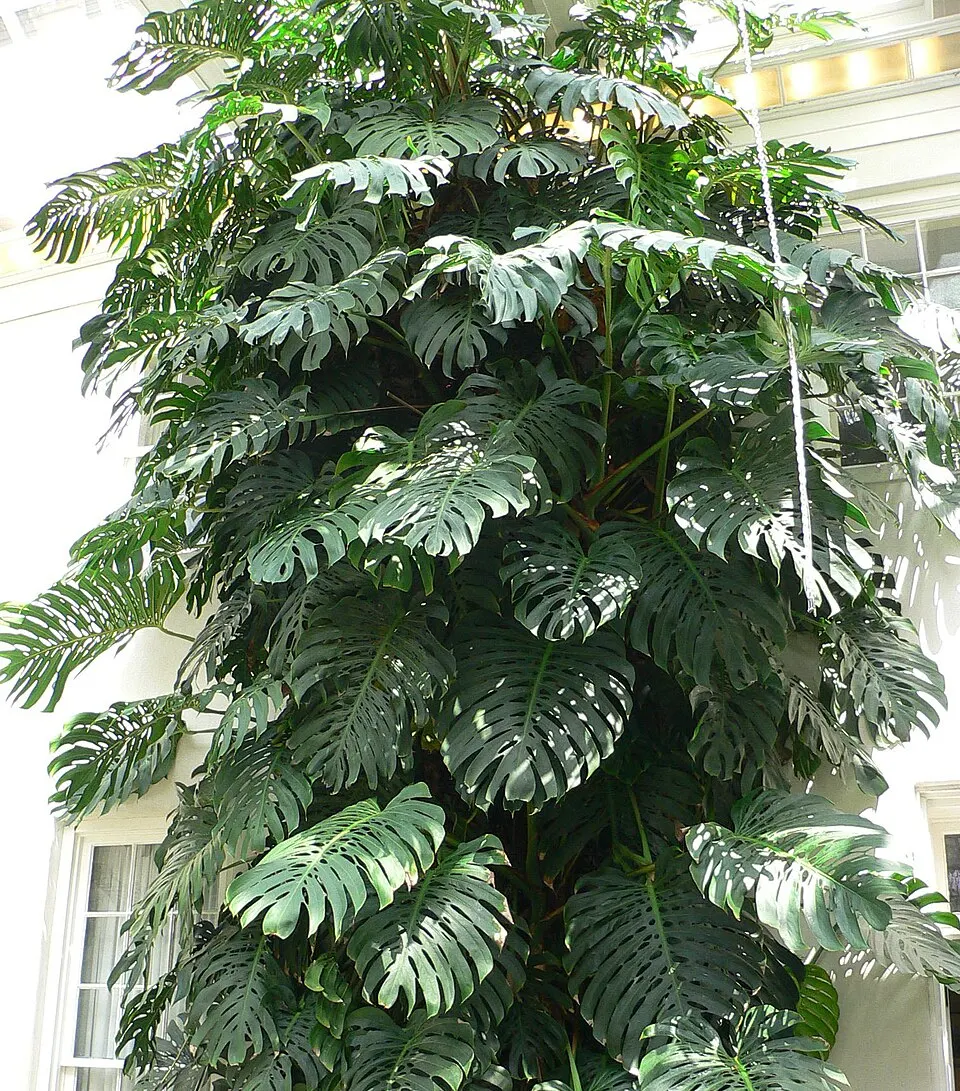
Get close enough that a single plant takes up most of the photo. If several plants overlap, the result can blend their features together.
2. Show the parts that make it unique
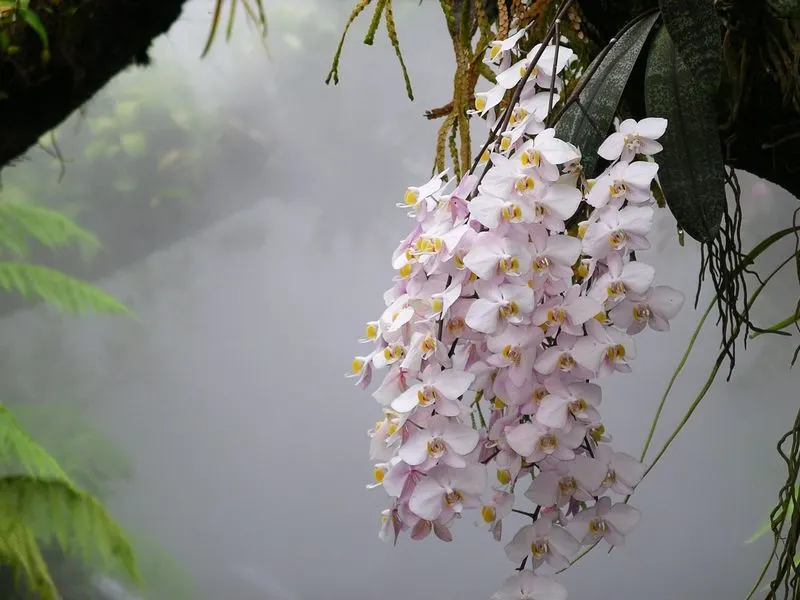
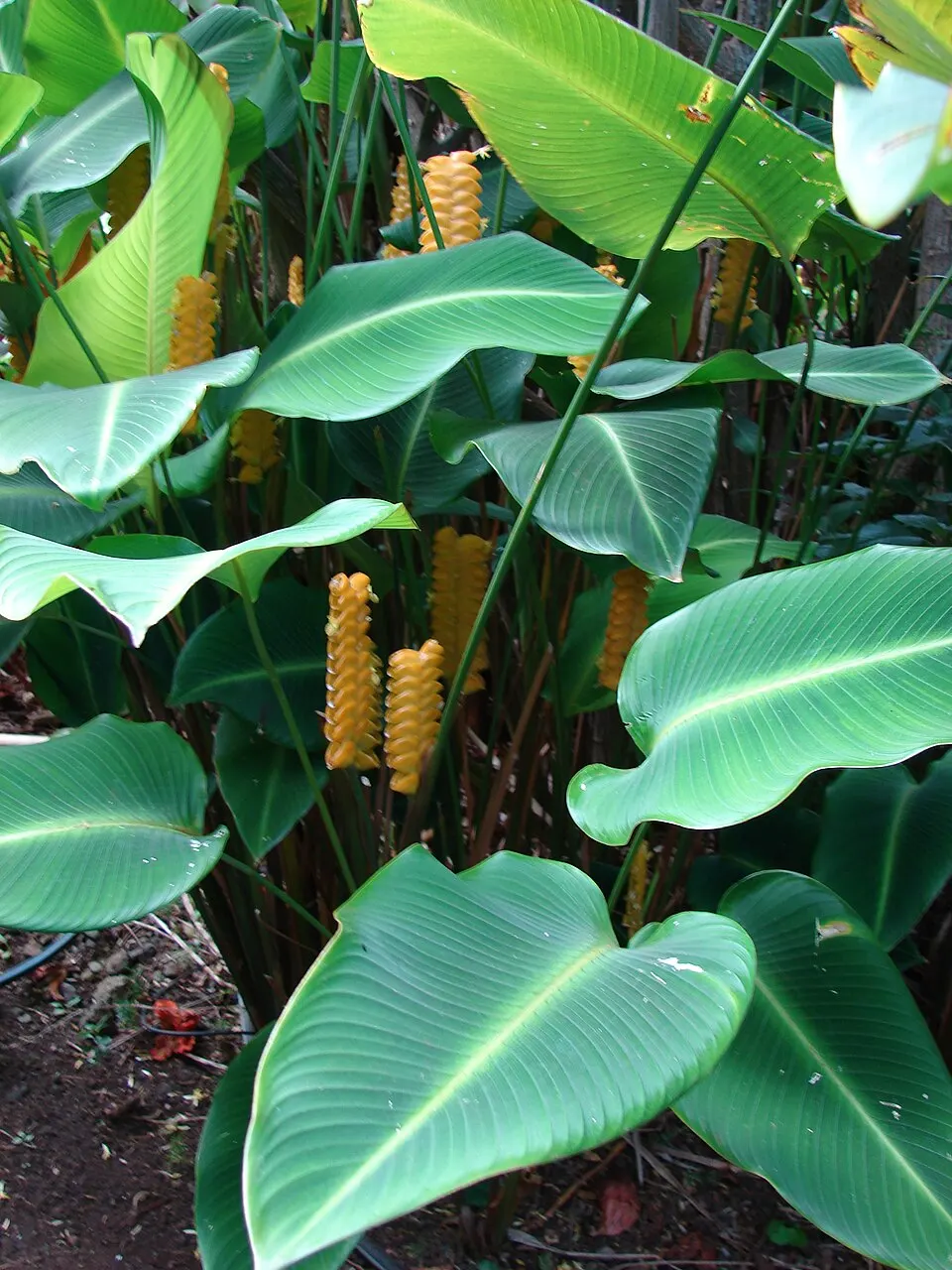
Flowers are the most reliable feature, followed by leaves. Capture a leaf flat-on so its shape, edges and veins are visible. For trees, add a second photo of the bark or the overall shape.
3. Use soft, even light
Bright shade or an overcast day is ideal. Harsh midday sun washes out colors and creates deep shadows; very dim rooms add blur and noise.
4. Keep it sharp
Tap the screen to focus on the leaf or flower before taking the picture, and hold the phone steady. A blurry photo is the most common reason for a “not recognized” result.
5. Plain background, no filters
A clean background (a wall, the sky, the ground) helps the model separate the plant from its surroundings. Beauty filters and heavy edits change colors the model relies on.