
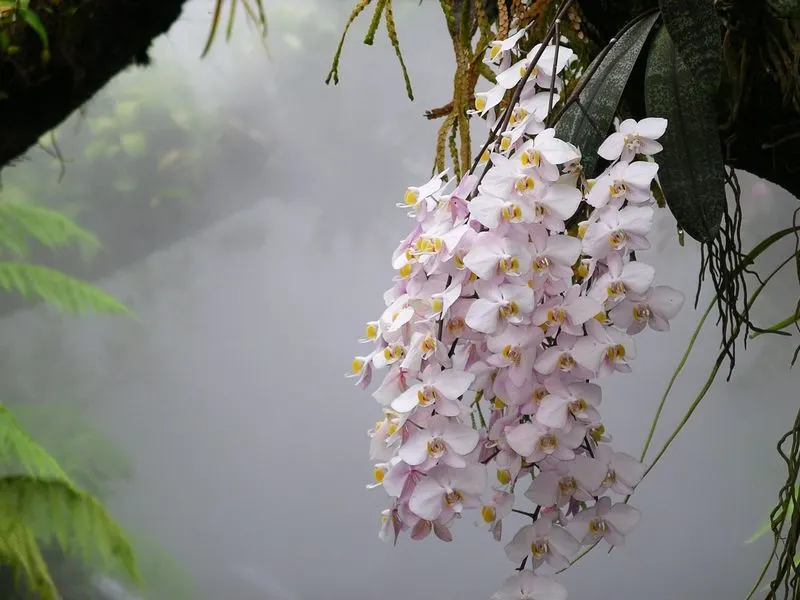
Moth orchid
Phalaenopsis spp.
Also known as Phalaenopsis, Phal
The most popular indoor orchid, with sprays of long-lasting flowers that can stay open for two to three months.
- Family
- Orchidaceae
- Native to
- Southeast Asia to northern Australia
- Plant type
- Epiphytic flowering perennial
- Care level
- Moderate
- Pets
- Non-toxic

How to care for moth orchid
Light
Bright, indirect light. Direct midday sun scorches the leaves.
Water
Water about once a week, when the bark is nearly dry and the roots turn silvery. Never let it sit in water.
Humidity
50–70%.
Temperature
18–29 °C (65–85 °F). A night-time drop of a few degrees in autumn helps trigger new flower spikes.
Soil
Orchid bark or sphagnum moss — never regular potting soil.
Fertilizer
Orchid fertilizer at quarter strength every 1–2 weeks while growing.
Common problems
- Limp, wrinkled leaves
- The roots cannot take up water — either dried out or rotted. Inspect and trim dead roots.
- Buds drop before opening
- Drafts, a sudden temperature change or moving the plant.
- No new flower spike
- Too little light, or no cooler nights in autumn.
Propagation
Pot up keikis (baby plants that form on flower spikes) once they have a few roots.
Related guides
Similar plants
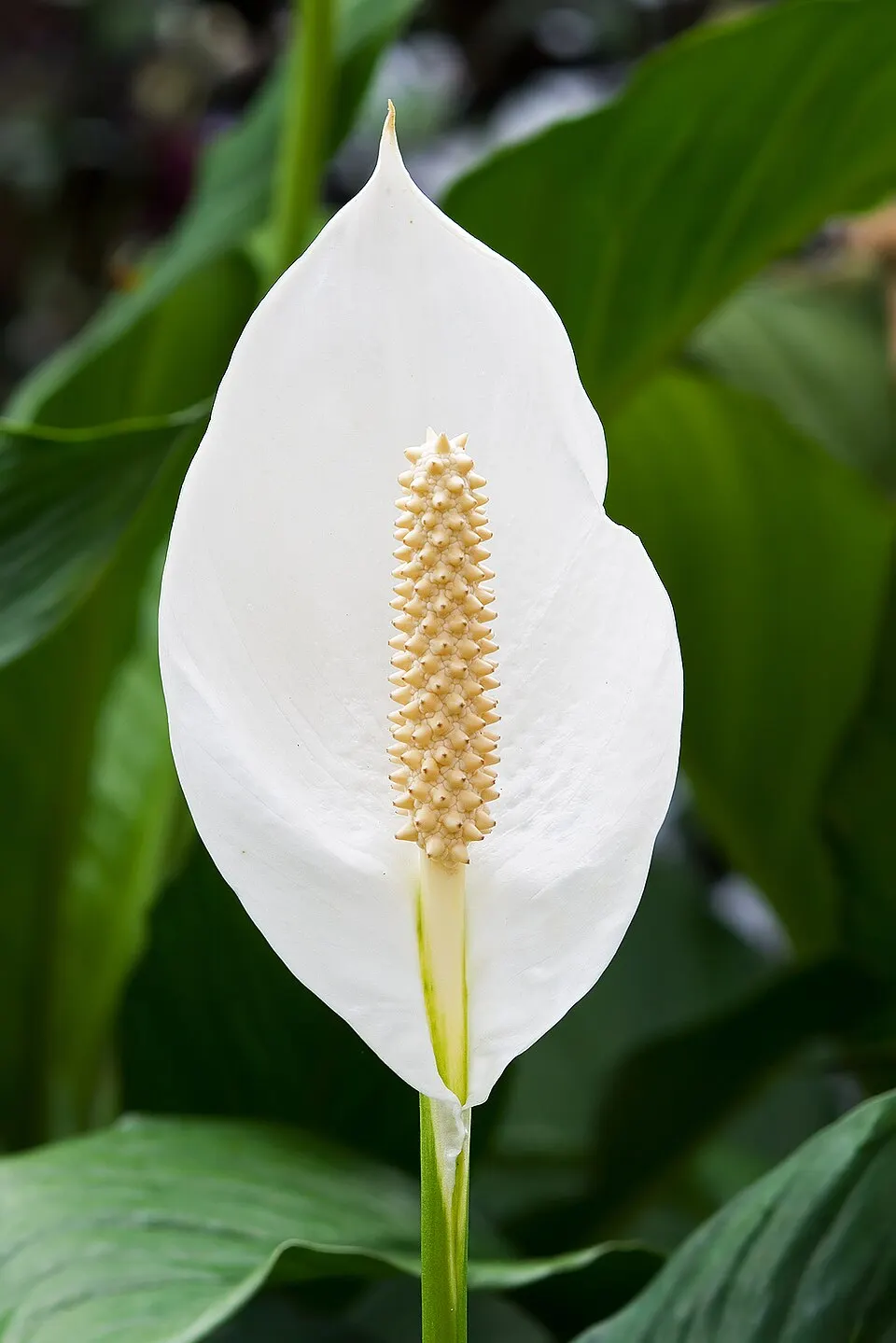 Peace lily
Spathiphyllum spp.
Toxic to petsEasy
Peace lily
Spathiphyllum spp.
Toxic to petsEasy
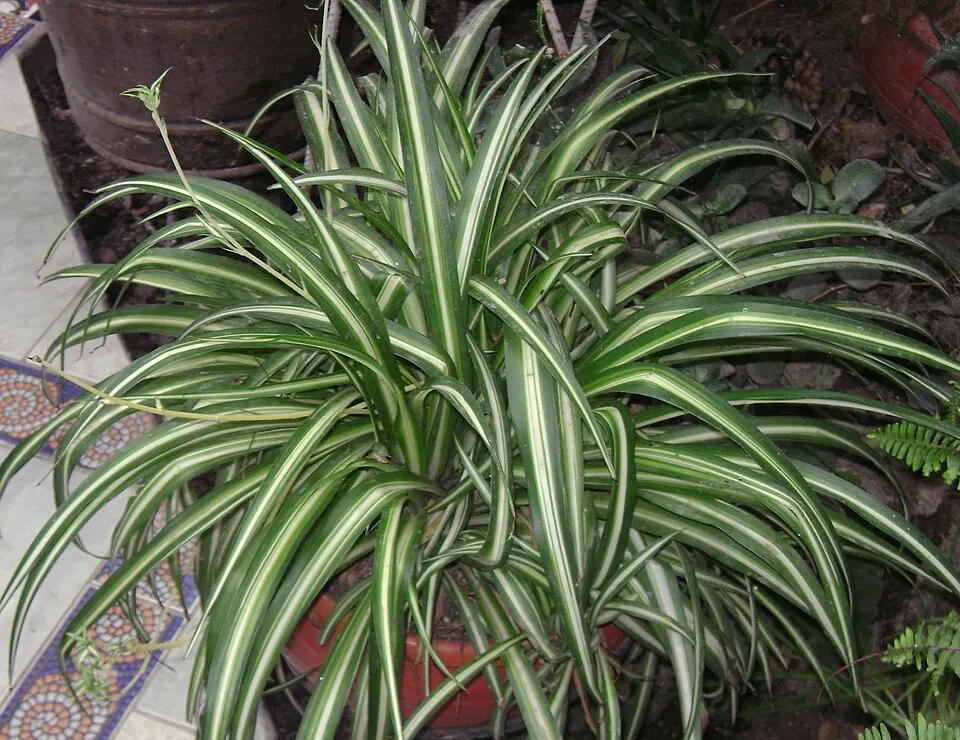 Spider plant
Chlorophytum comosum
Pet-safeEasy
Spider plant
Chlorophytum comosum
Pet-safeEasy
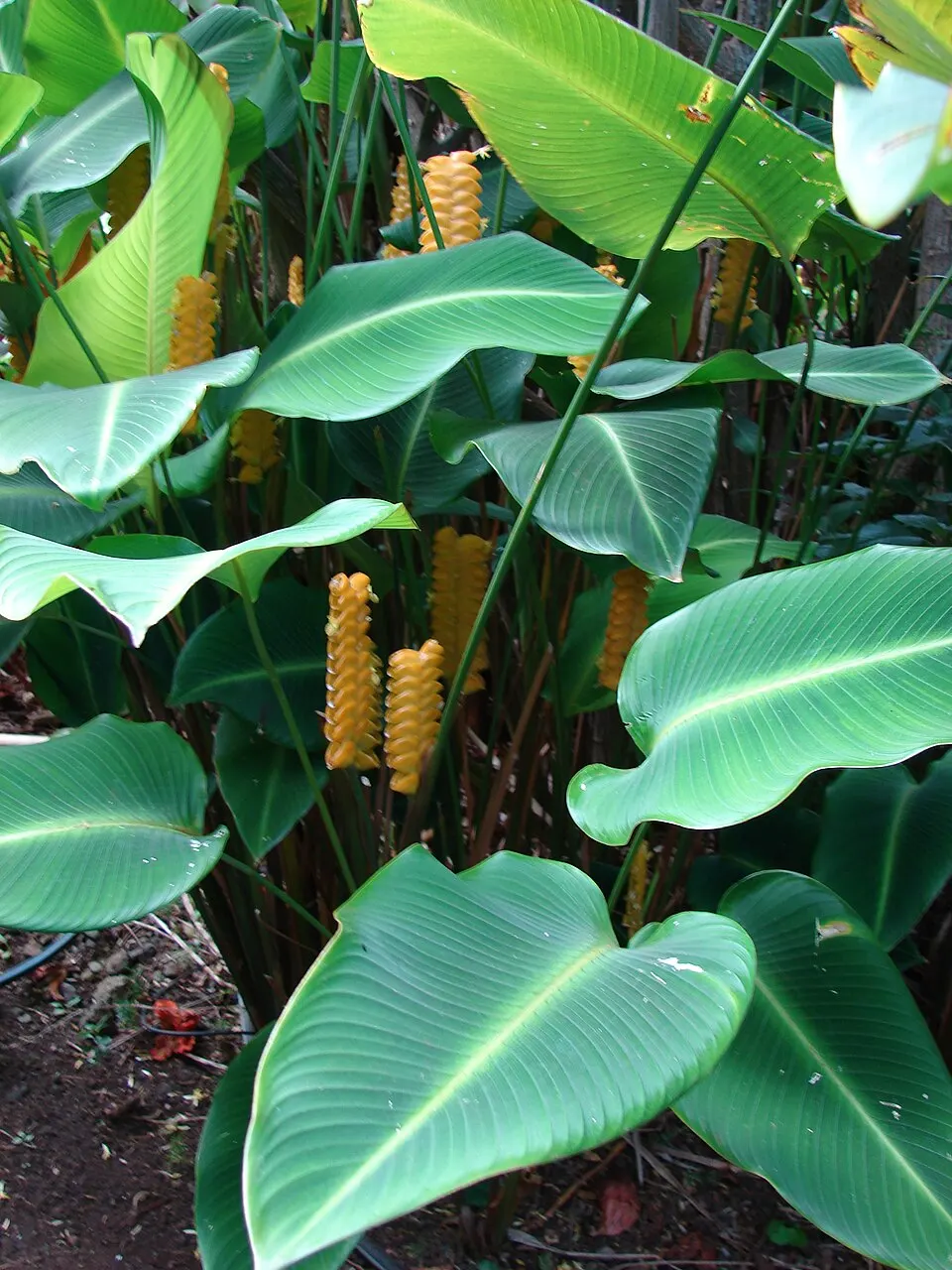 Calathea
Goeppertia spp. (formerly Calathea)
Pet-safeModerate
Calathea
Goeppertia spp. (formerly Calathea)
Pet-safeModerate
Written by the Plant Identifier Editorial Team · Last updated September 24, 2026 · Toxicity based on the ASPCA plant lists.