
Monstera
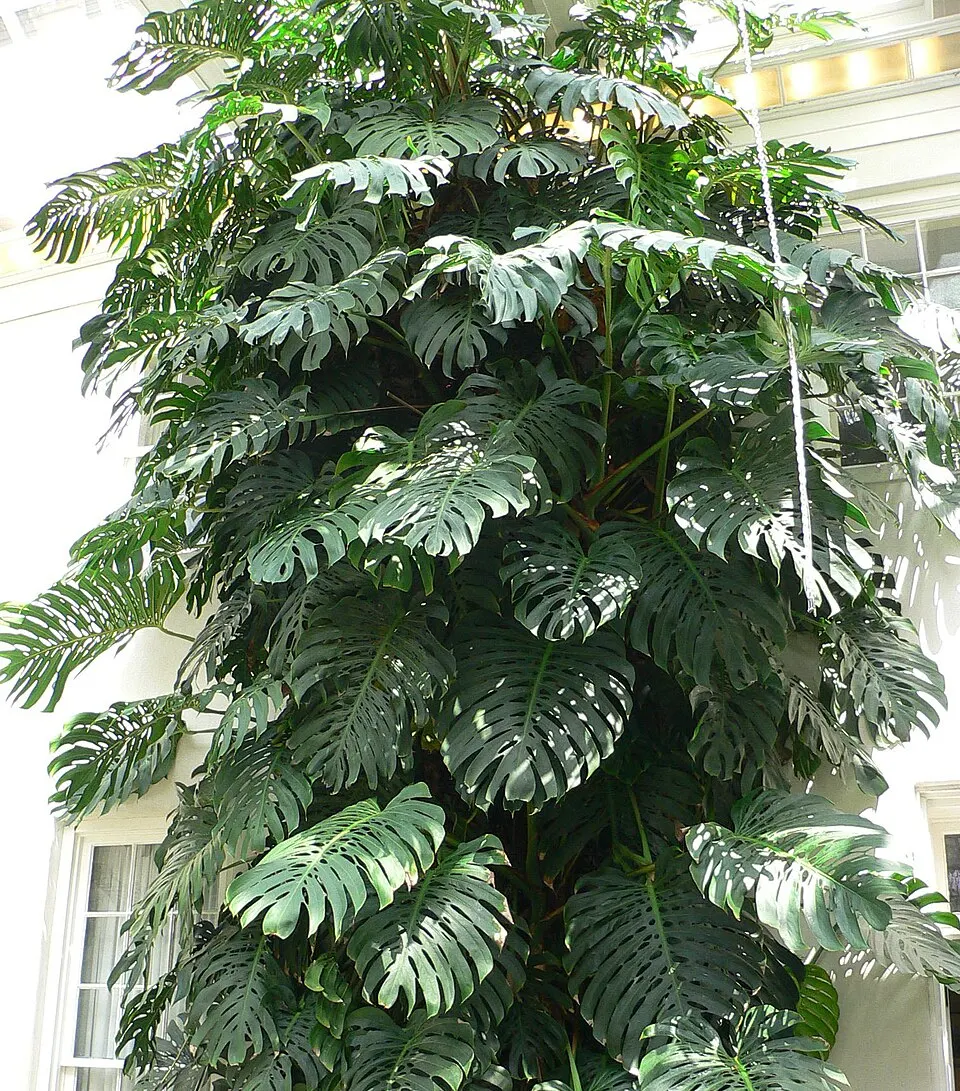
Monstera deliciosa
Also known as Swiss cheese plant, Split-leaf philodendron
A fast-growing climber famous for its glossy, heart-shaped leaves that develop natural splits and holes (fenestrations) as the plant matures.
- Family
- Araceae
- Native to
- Southern Mexico to Panama
- Plant type
- Climbing evergreen vine
- Care level
- Easy
- Pets
- Toxic to cats & dogs

How to care for monstera
Light
Bright, indirect light. Tolerates medium light, but leaves stay smaller and split less.
Water
Water when the top 5 cm (2 in) of soil is dry — roughly every 1–2 weeks, less in winter.
Humidity
50% or higher is ideal; average room humidity is tolerated.
Temperature
18–30 °C (65–85 °F). Keep above 10 °C (50 °F).
Soil
Chunky, well-draining aroid mix: potting soil with orchid bark and perlite.
Fertilizer
Balanced liquid fertilizer monthly in spring and summer.
Common problems
- Yellowing lower leaves
- Usually overwatering. Let the soil dry further between waterings and check that the pot drains.
- New leaves have no splits
- Not enough light, or the plant is still young. Move it closer to a bright window and give it a moss pole to climb.
- Brown, crispy edges
- Underwatering or very dry air. Water more consistently and raise humidity.
Propagation
Stem cuttings with at least one node (and ideally an aerial root), rooted in water or damp sphagnum moss.
Similar plants
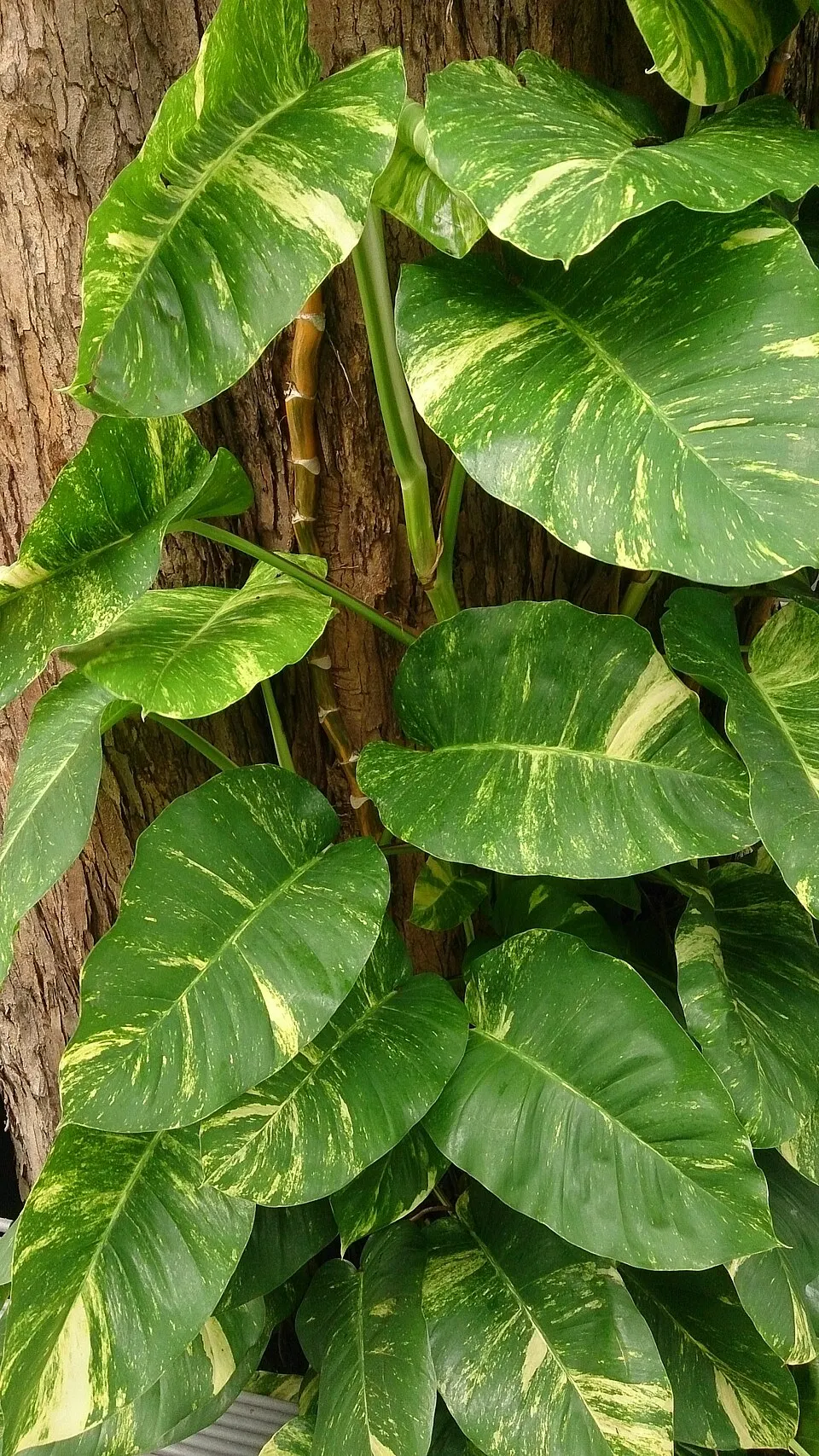 Pothos
Epipremnum aureum
Toxic to petsEasy
Pothos
Epipremnum aureum
Toxic to petsEasy
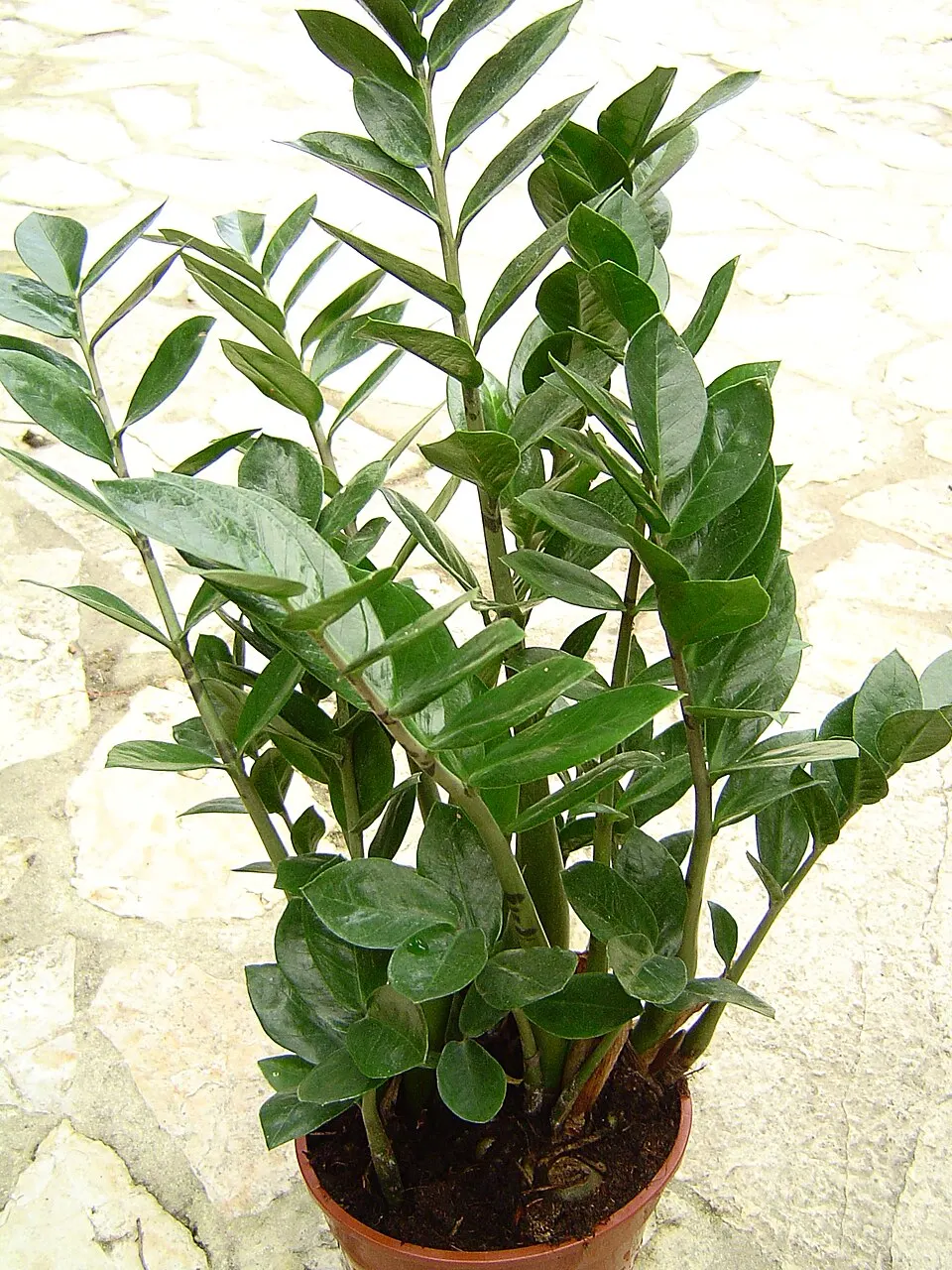 ZZ plant
Zamioculcas zamiifolia
Toxic to petsEasy
ZZ plant
Zamioculcas zamiifolia
Toxic to petsEasy
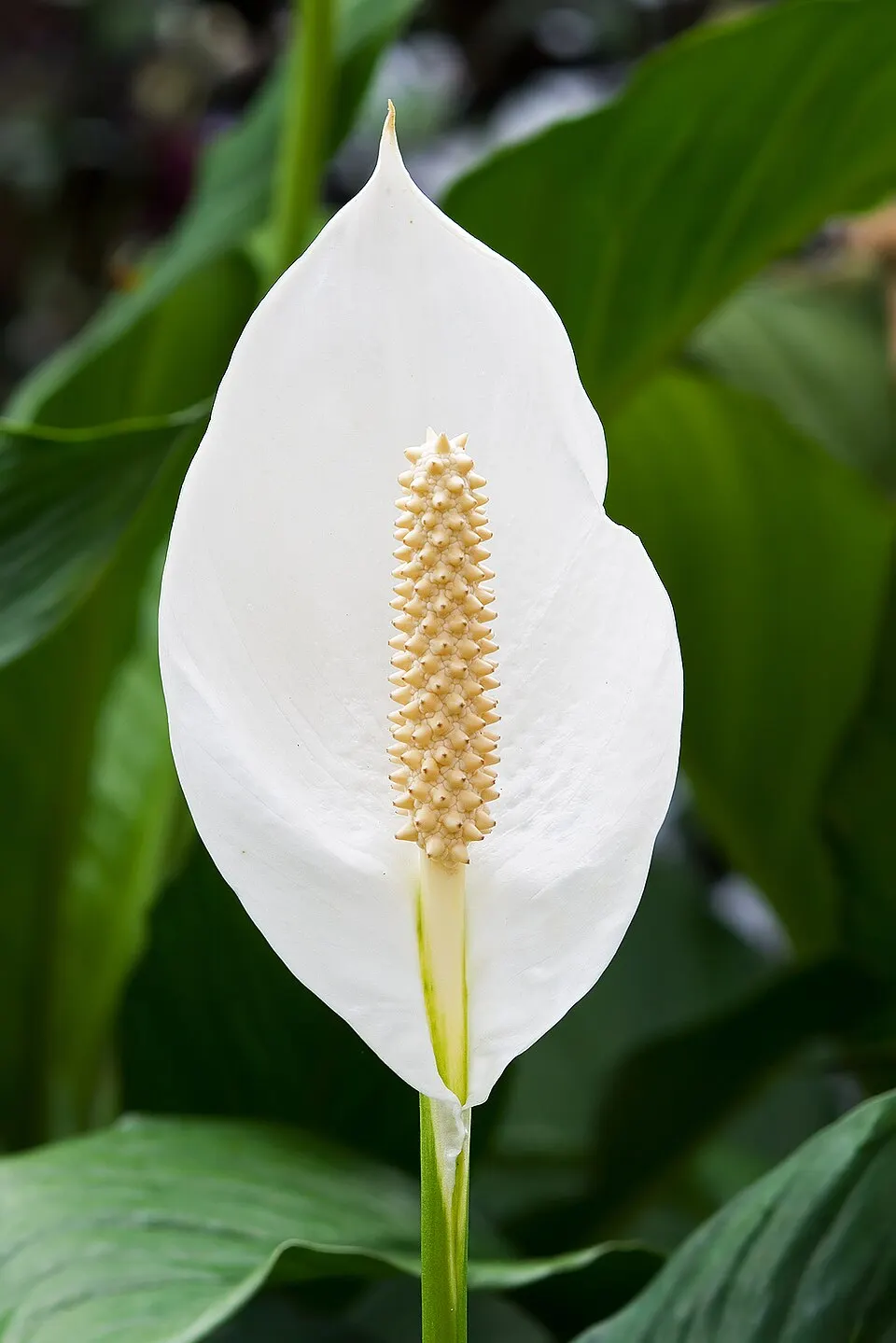 Peace lily
Spathiphyllum spp.
Toxic to petsEasy
Peace lily
Spathiphyllum spp.
Toxic to petsEasy
Written by the Plant Identifier Editorial Team · Last updated September 24, 2026 · Toxicity based on the ASPCA plant lists.