Calathea
Goeppertia spp. (formerly Calathea)
Also known as Prayer plant, Peacock plant
Grown for boldly patterned leaves that fold up at night and open again in the morning. It rewards steady moisture and humid air.
- Family
- Marantaceae
- Native to
- Tropical Americas
- Plant type
- Foliage perennial
- Care level
- Moderate
- Pets
- Non-toxic
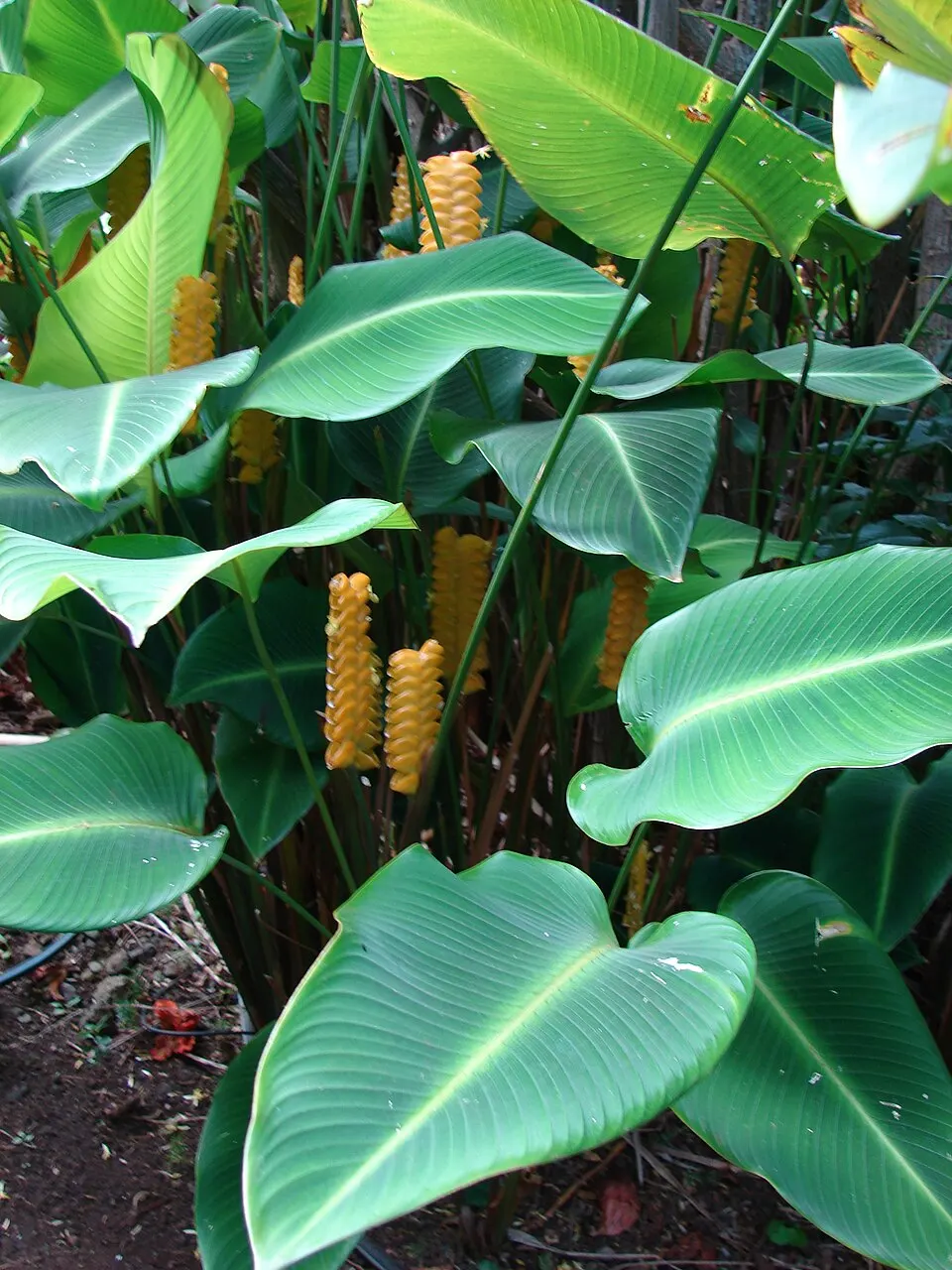

How to care for calathea
Light
Medium, indirect light. Direct sun fades the leaf patterns.
Water
Keep the soil lightly moist but never soggy. Filtered or rain water prevents crispy tips.
Humidity
50% or higher — a humidifier makes a big difference.
Temperature
18–27 °C (65–80 °F). Avoid cold drafts.
Soil
Airy, moisture-retentive mix with peat or coir and perlite.
Fertilizer
Diluted balanced fertilizer monthly in spring and summer.
Common problems
- Crispy brown edges
- Low humidity or minerals in tap water.
- Leaves curling inward
- Thirst or very dry air.
- Faded patterns
- Too much direct light.
Propagation
Division when repotting in spring.
Related guides
How to take a photo that gets an accurate plant ID
Five simple habits that help any plant identification app — including ours — recognize a plant on the first try.
Pet-safe houseplants (and common ones to keep away from pets)
Popular houseplants that are non-toxic to cats and dogs, plus common plants that are best kept out of reach.
Similar plants
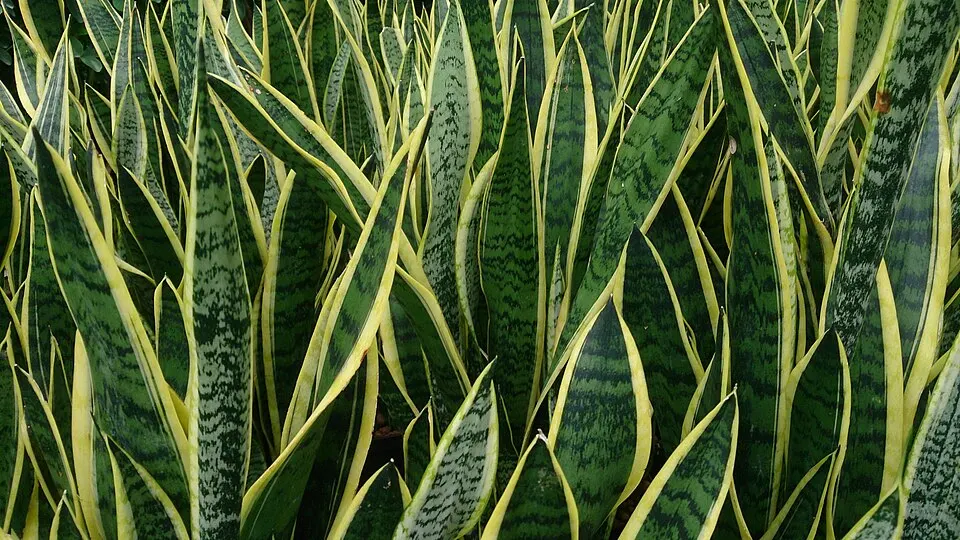 Snake plant
Dracaena trifasciata
Toxic to petsEasy
Snake plant
Dracaena trifasciata
Toxic to petsEasy
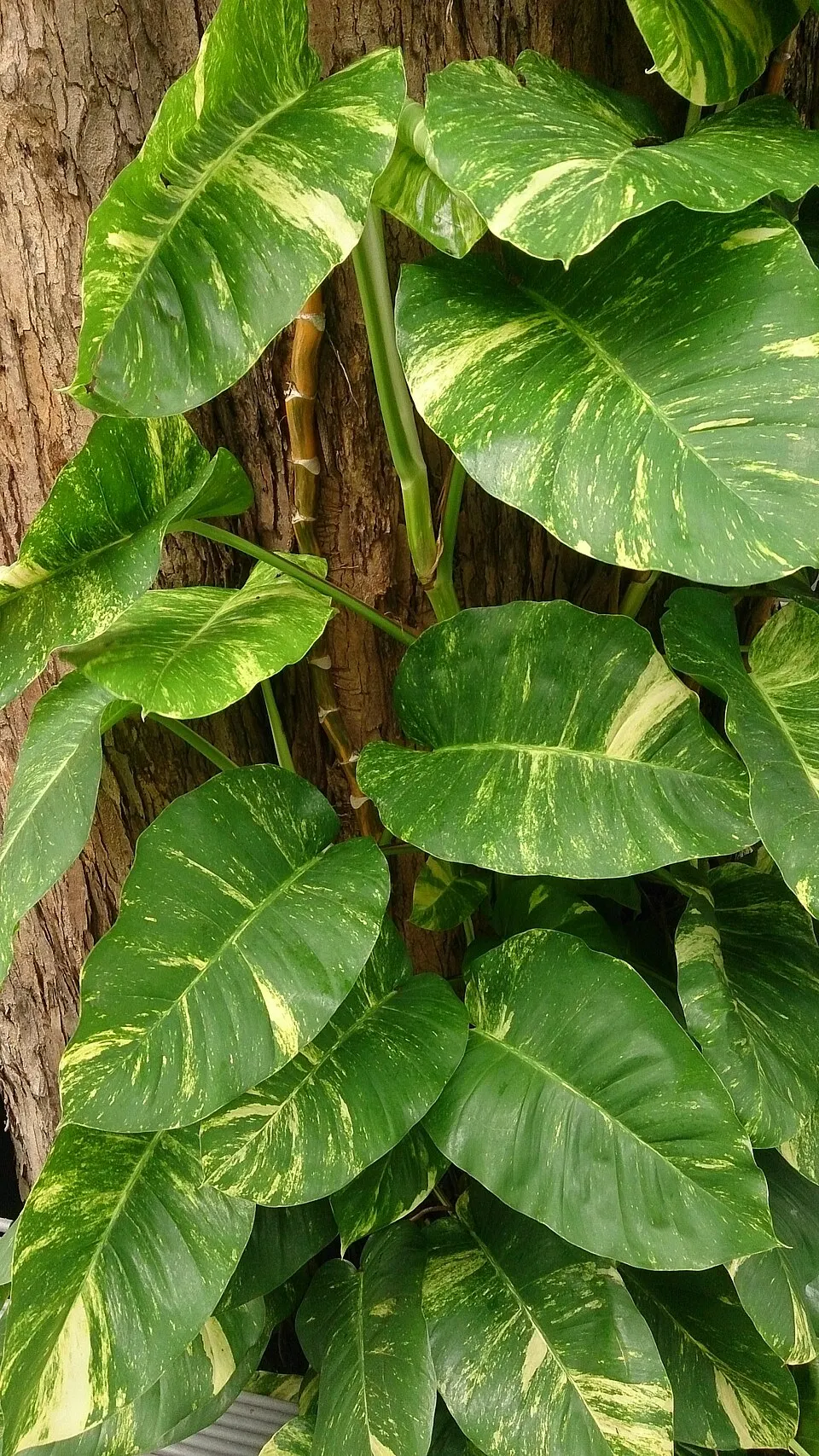 Pothos
Epipremnum aureum
Toxic to petsEasy
Pothos
Epipremnum aureum
Toxic to petsEasy
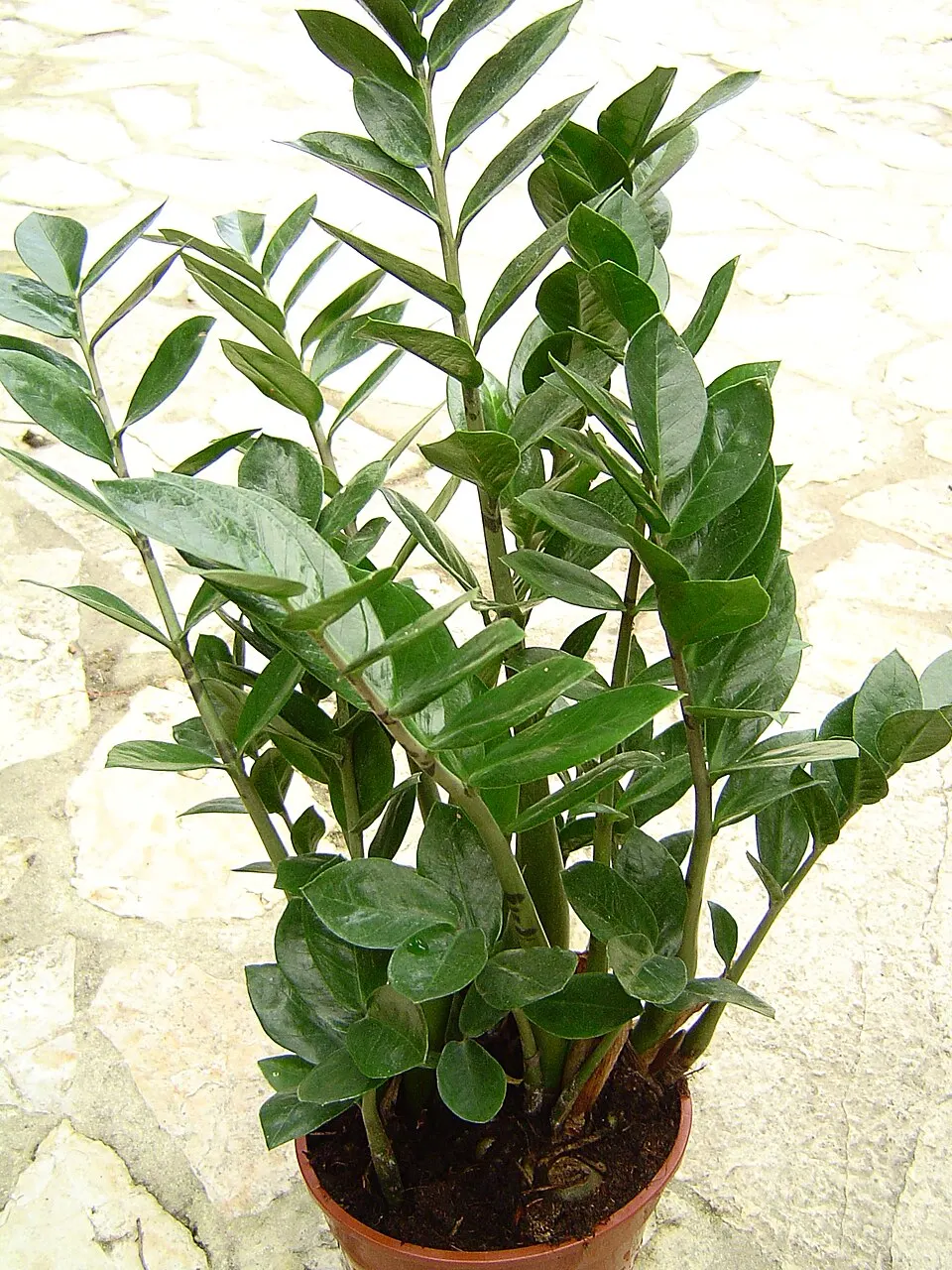 ZZ plant
Zamioculcas zamiifolia
Toxic to petsEasy
ZZ plant
Zamioculcas zamiifolia
Toxic to petsEasy
Written by the Plant Identifier Editorial Team · Last updated September 24, 2026 · Toxicity based on the ASPCA plant lists.