
Peace lily
Spathiphyllum spp.
Also known as Spath, White sails
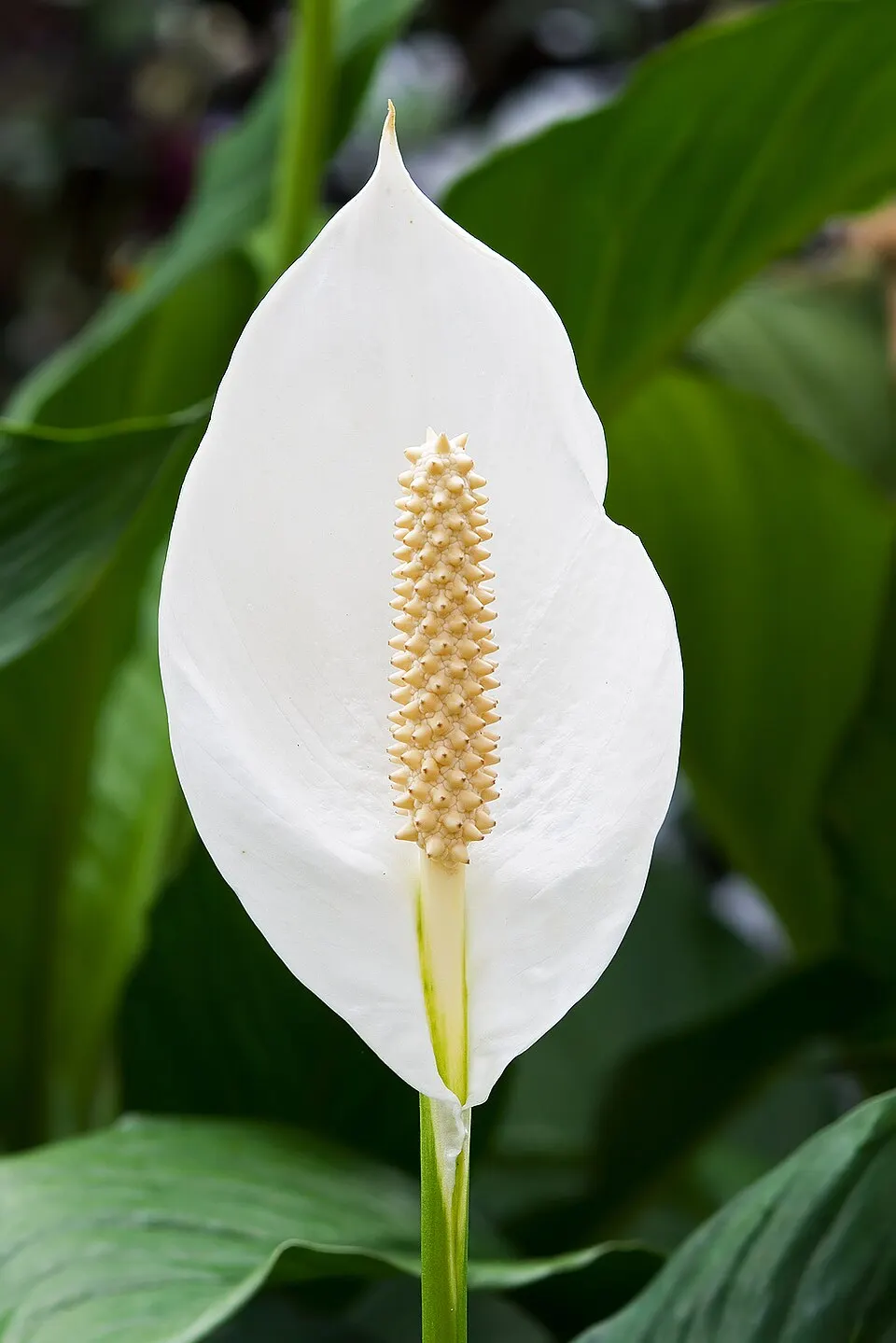
Glossy leaves and white, sail-like flower spathes. It droops dramatically when thirsty, then perks up within hours of watering.
- Family
- Araceae
- Native to
- Tropical Americas
- Plant type
- Flowering perennial
- Care level
- Easy
- Pets
- Toxic to cats & dogs

How to care for peace lily
Light
Medium to low indirect light for foliage; brighter indirect light for more flowers.
Water
Water when the top 2–3 cm (1 in) of soil is dry. Drooping leaves are the signal.
Humidity
Prefers higher humidity; a humidifier or pebble tray helps.
Temperature
18–27 °C (65–80 °F).
Soil
Rich, well-draining potting mix.
Fertilizer
Diluted balanced fertilizer every 6–8 weeks in spring and summer.
Common problems
- Brown leaf tips
- Dry air or salts and minerals in tap water. Try filtered or rain water.
- No flowers
- Too little light. Move to a brighter, indirect spot.
- Whole plant wilting
- Thirst — or, if the soil is wet, root rot.
Propagation
Division when repotting.
Related guides
Overwatering vs. underwatering: how to tell the difference
Both can cause yellow or drooping leaves. Here is how to read the signs and fix the real problem.
Pet-safe houseplants (and common ones to keep away from pets)
Popular houseplants that are non-toxic to cats and dogs, plus common plants that are best kept out of reach.
Similar plants
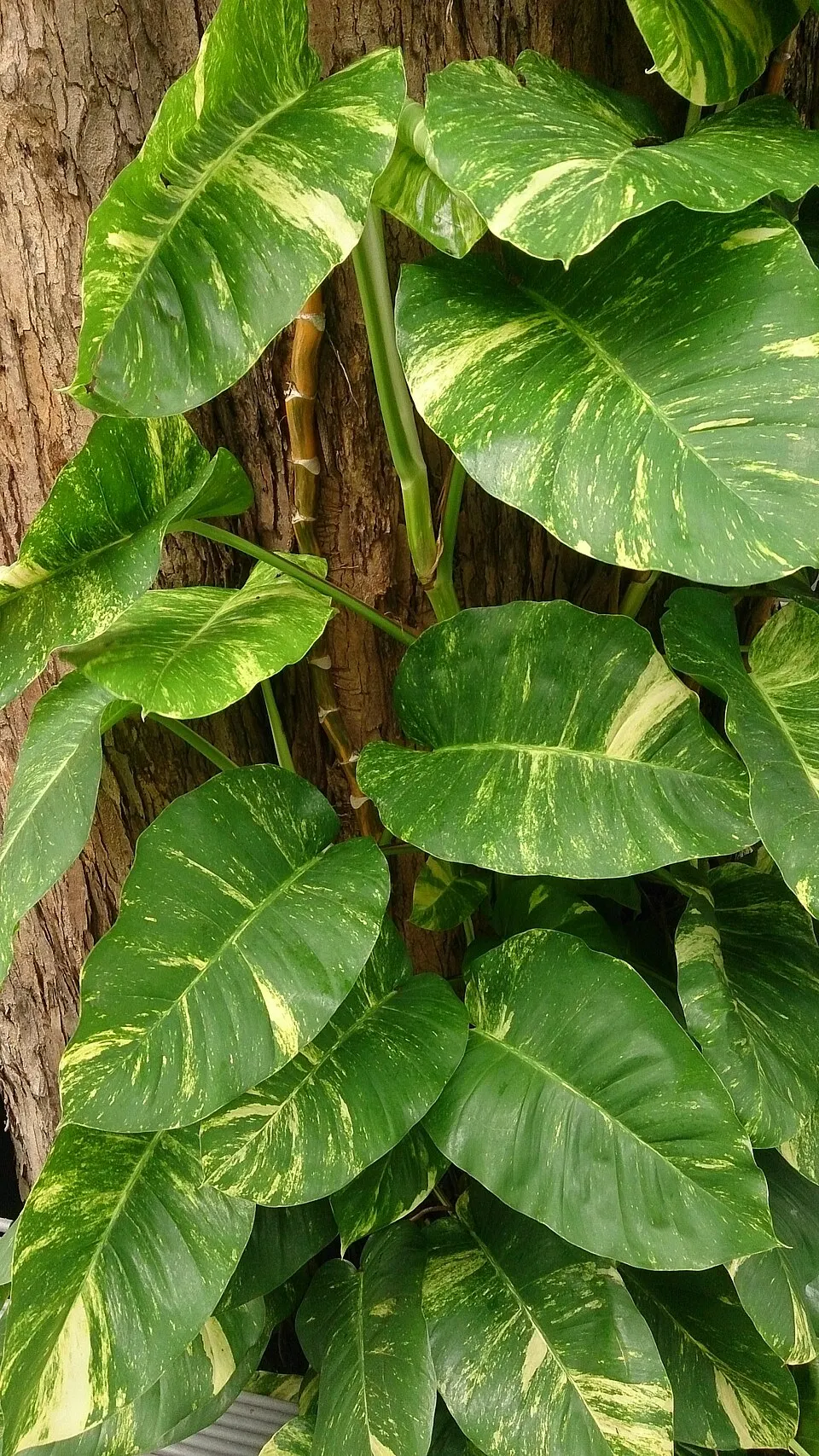 Pothos
Epipremnum aureum
Toxic to petsEasy
Pothos
Epipremnum aureum
Toxic to petsEasy
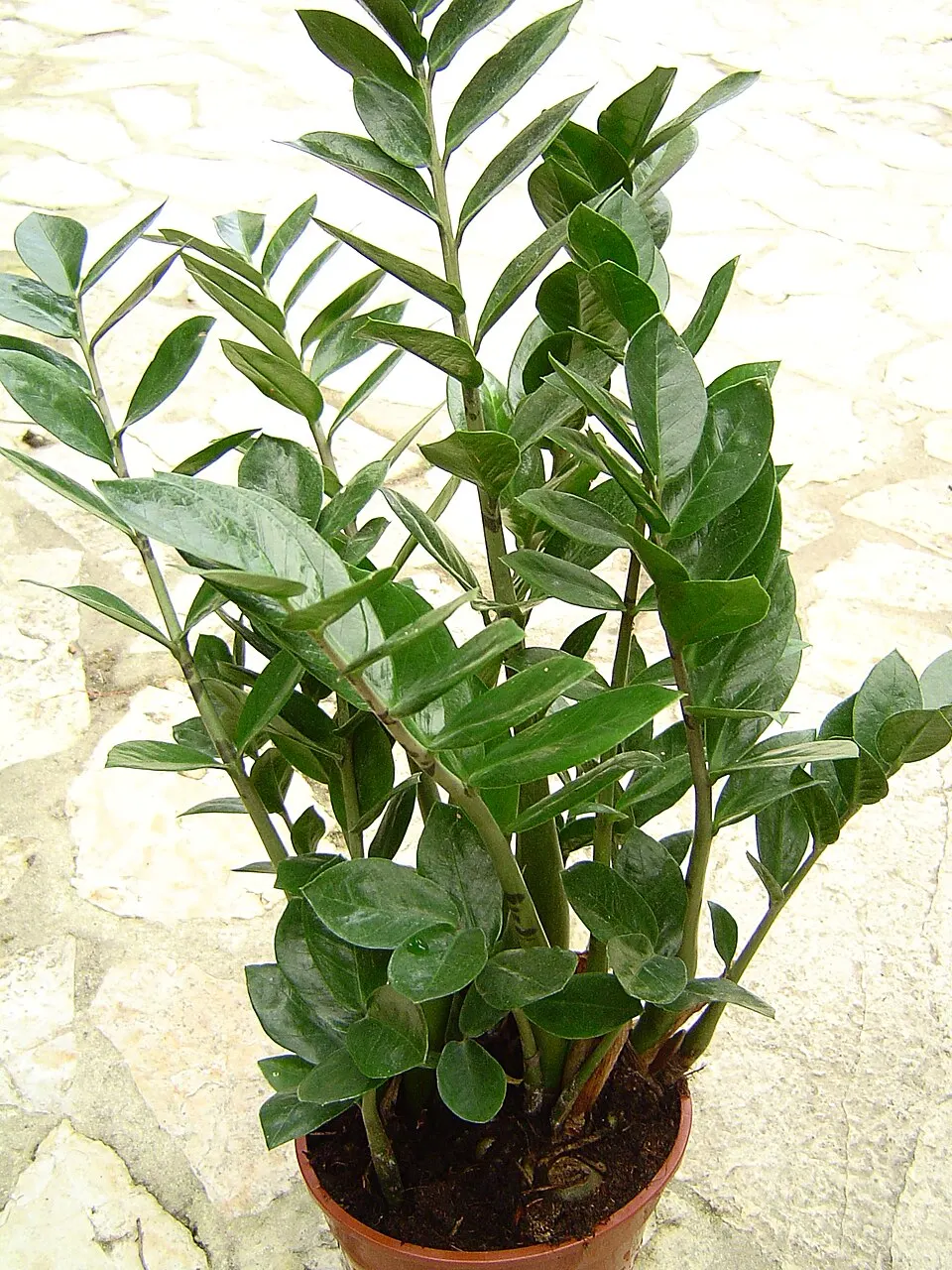 ZZ plant
Zamioculcas zamiifolia
Toxic to petsEasy
ZZ plant
Zamioculcas zamiifolia
Toxic to petsEasy
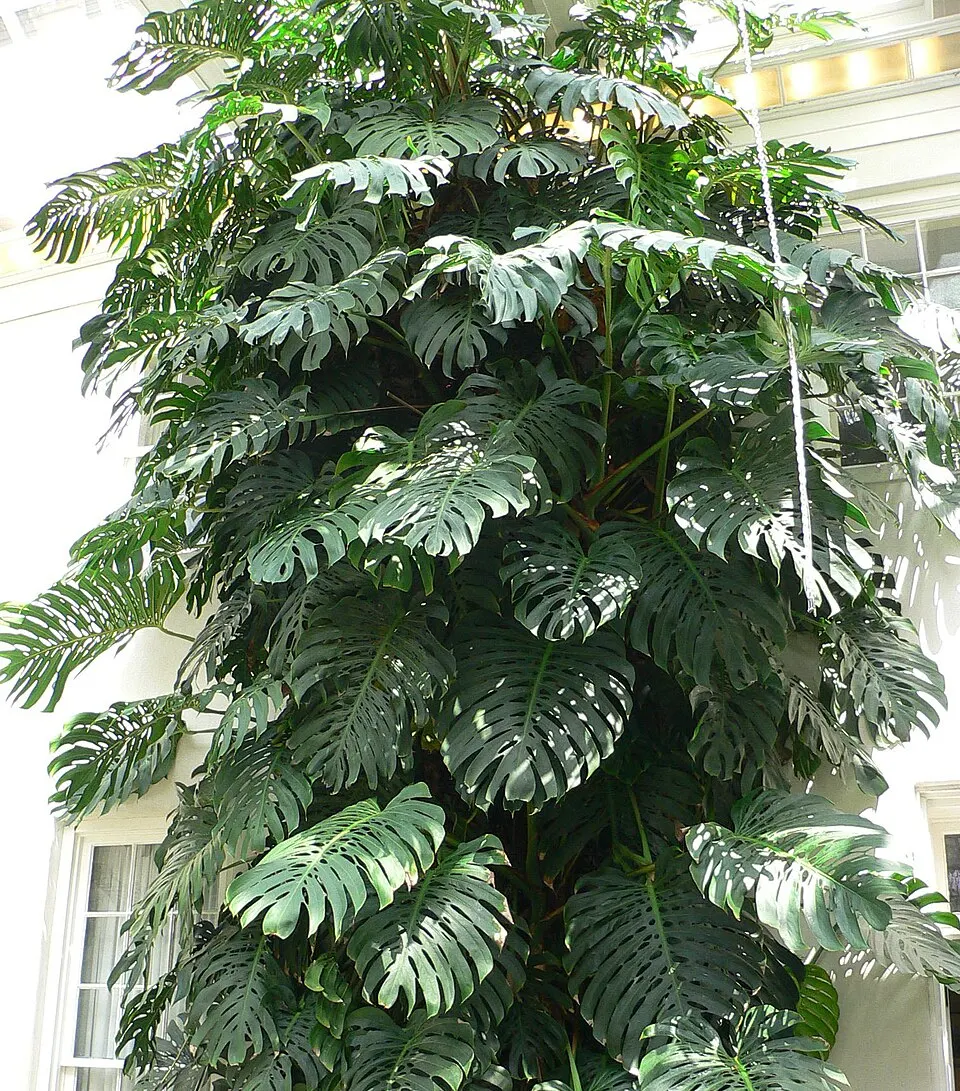 Monstera
 deliciosa
Toxic to petsEasy
Monstera
Monstera deliciosa
Toxic to petsEasy
Written by the Plant Identifier Editorial Team · Last updated September 24, 2026 · Toxicity based on the ASPCA plant lists.